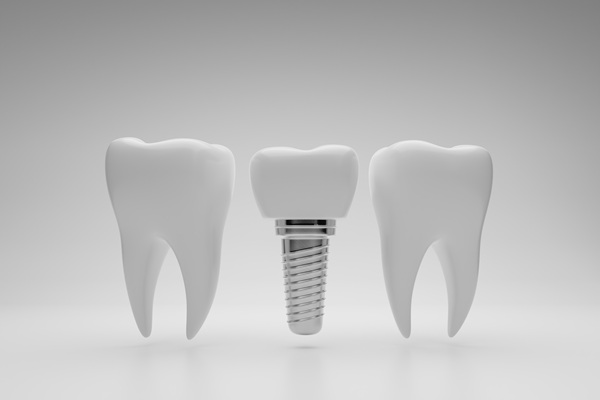
A dental implant procedure is a structured, multi-stage process that replaces missing teeth with a stable, long-lasting solution. If you are exploring tooth replacement options, you may be curious about what this process is like from start to finish. Having a thorough understanding of each phase helps set realistic expectations and reduce uncertainty about the treatment journey.
Initial consultation and treatment planning
The foundation of a successful clinical outcome is a thorough evaluation. During the initial appointment, a dental professional conducts a physical examination of the oral cavity and reviews the medical history of the patient. This stage often involves advanced diagnostic tools such as 3D cone-beam computed tomography (CBCT) scans. These images allow the dentist to visualize the height and width of the jawbone, as well as the proximity of nerves and sinus cavities.
Then, the dentist will work with the patient to develop a treatment plan to address the specific anatomical needs of the individual. This plan outlines the estimated timeline, the number of implants required, and the specific type of restoration used, such as a crown, bridge, or denture. Clear communication during this phase ensures the patient understands the commitment required for a dental implant procedure.
Preparatory procedures before implant placement
Not all patients are immediately ready for surgery. If the jawbone is too thin or soft for an implant, the patient may need a bone graft, involving tissue from the patient, a donor, or a synthetic source to provide a stable base for the implant. If a severely damaged tooth is present, it may need to be extracted before or during the surgery. Healing times for preparatory work can range from a few weeks to several months, and a healthy environment is crucial before the primary dental implant procedure.
The surgical phase of implant placement
When the site is prepared, the surgical implant placement begins. The dental team administers local anesthesia or intravenous sedation to ensure the patient remains comfortable throughout the process. Once the patient is numb, the dentist will make a small incision in the gum tissue to expose the underlying bone, and a specialized drill will create a space for the titanium post.
The dental implant is then carefully inserted into the bone. This post acts as an artificial tooth root, providing the stability necessary for a permanent crown. Once the implant is secure, the gum tissue is sutured back into place.
The healing phase: what to expect during osseointegration
To maintain the health of the site during the initial healing days, patients should adhere to the following guidelines:
- Consume only soft foods (e.g., yogurt, mashed potatoes, or scrambled eggs)
- Avoid using a straw
- Rinse with a prescribed antimicrobial mouthwash or warm salt water
- Apply a cold compress to the exterior of the cheek to minimize swelling
- Abstain from strenuous physical activity for at least 48 hours
- Take all prescribed antibiotics and pain medications as directed
Adhering to these post-operative instructions reduces the risk of infection and promotes faster tissue recovery.
The most critical phase in the healing process is osseointegration, referring to the process where the living bone cells grow around and attach to the titanium surface of the implant. This fusion creates a permanent bond that allows the implant to withstand the high pressure of biting and chewing.
Osseointegration typically requires three to six months to complete. During this time, the patient may wear a temporary bridge or denture to maintain their smile, particularly if the missing tooth is in a visible area of the mouth. Frequent follow-up appointments allow the dental team to monitor the progress of the bone healing and prevent complications.
Abutment placement and shaping
Once the dentist confirms the implant has integrated with the jawbone, they attach the abutment, a small connector above the gum line. This involves a minor procedure to reopen the gum and expose the implant. The abutment is then screwed in, and the gum tissue heals around it for about two weeks, shaping the tissue for a natural appearance when the final tooth is placed.
Final restoration placement
The final stage involves the creation and attachment of the permanent restoration. The dental laboratory uses impressions or digital scans to craft a tooth that matches the color, shape, and size of the existing natural teeth. High-quality materials such as porcelain or zirconia are preferred for their durability and light-reflecting properties. The restoration is either screwed or cemented onto the abutment. The dentist checks the bite alignment to ensure the new tooth (or teeth) does not cause discomfort or place uneven pressure on the jaw.
Learn more about the implant process
By understanding each step, you can approach treatment with greater confidence and appreciate the long-term benefits of dental implants. Do you have questions or concerns for the McCarthy Dentistry team? Call our Marietta office today to learn more or to schedule a consultation.
Request an appointment here: https://www.mytotaldentistry.com or call McCarthy Dentistry at (740) 546-5178 for an appointment in our Marietta office.
Check out what others are saying about our dental services on Yelp: Dental Implants in Marietta, OH.
Recent Posts
Seeking a secure, natural-looking way to replace missing teeth often leads individuals to explore dental implants. This modern solution places a titanium post in the jawbone, topped by a lifelike crown, and can offer stability and reliability. However, ensuring that implants heal successfully involves paying close attention to food choices, especially in the days and…
Dental implants provide a long-lasting solution for missing teeth, offering functional and aesthetic benefits. Whether replacing a single tooth or supporting a full arch, dental implants help restore confidence and improve oral health. Understanding the essential facts about this treatment can help patients make informed decisions.Dental implants look, feel, and function like natural teeth. The…
Dental implants provide a long-term solution for missing teeth, offering functional and aesthetic benefits. Designed to mimic natural teeth, they help restore the ability to chew, speak, and smile with confidence. The process of receiving dental implants involves multiple stages, each essential for ensuring a successful and lasting outcome. Understanding what to expect can help…
Dental implants can be an effective and aesthetically pleasing long-term solution for missing teeth. However, misconceptions about implants can make some hesitant to consider them. In order to help patients make an informed decision, it helps to dispel some common myths about dental implants.One of the biggest concerns people have about dental implants is pain.…