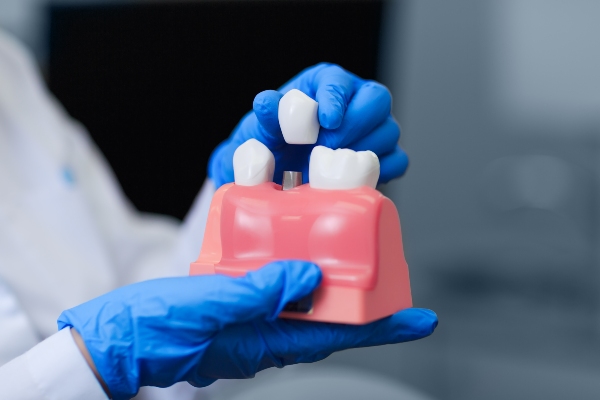
Most people want to have right after dental extraction. Replacing the lost tooth is a priority. This can prevent more complications as the mouth heals. Understanding the process of getting implants after dental extraction can help prepare you for your appointment. Here are the details about getting dental implants after a dentist removes the target tooth.
Waiting for the mouth to heal
A dental extraction is an invasive procedure. It may take at least 10 weeks for the mouth to completely heal before the dentist places the dental implants. But there are exceptions. Some patients can get the implants as soon as the teeth come out. The patient’s infection, health status, and tooth position influence the dental implant placement.
It can be stressful to think that there is a dental gap after the tooth extraction. That is why many patients want to fill the dental gap right away. But the placement of dental implants depends on the patient’s case. The dentist will determine if the patient can have dental implants right away.
The extraction
In some cases, dentists recommend dental extraction if a tooth is deteriorating the patient’s dental health. Dental exams can see the true situation even if the teeth look fine. The dentist will then extract the problem teeth. Choosing dental implants often comes after the procedure. Here are some of the situations that call for tooth extraction:
- Too many teeth in one jaw.
- More than one tooth with severe decay that other treatments cannot repair.
- Severe gum infection that has deteriorated the support structures of the tooth.
- More than one tooth with severe damage that other treatments cannot restore.
A surgical extraction involves cutting through the gums and then splitting the tooth into many pieces. Removing them will be next. This type of extraction happens when the tooth cannot be extracted in one pull. Cutting the tooth into smaller pieces will make the extraction less traumatizing to the dental tissues. Single extraction happens when the dentist can extract the tooth in one piece.
Types of dental implant placements after tooth extraction
The dentist will see what type of dental implant placement the patient can get after the extraction. Some patients can handle another major oral procedure. Others need to wait a while before dental implants come in. Here are the types of dental implant placements a patient can have:
- Delayed immediate post-dental extraction placement is when the implants come on soon after the dental extraction. The patient will get the dental implants within two weeks or three months of the dental extraction. This allows the oral infections to heal first. The dentist can suggest this option if the patient needs a molar replacement. The patient must have this dental implant placement within the time frame to reduce bone resorption.
- Immediate post-dental extraction placement involves placing the dental implants right after the dental extraction. This applies to people who have enough jawbone density during extraction. Premolars, incisors, or canines are ideal teeth for this type of placement because these teeth have one root.
- Late implantation happens when the patient does not have enough jawbone. The patient will need a sinus lift or a bone graft first. It will take three to six months for new bone to form in the jawbone. Only then will the patient get dental implants.
The right implant placement after dental extraction can help bring back your dental health
Your dentist can determine which type of placement will apply to you. If you have good oral health and thick jawbones, you can have dental implants right after your dental extraction. Otherwise, you will need to wait until your bones and gum tissue heal first. You may also get a sinus lift or bone graft first and then heal some more. Only then can you get your dental implants.
or call McCarthy Dentistry at 740-546-5178 for an appointment in our Marietta office.
Recent Posts
Dental implants can be an effective and aesthetically pleasing long-term solution for missing teeth. However, misconceptions about implants can make some hesitant to consider them. In order to help patients make an informed decision, it helps to dispel some common myths about dental implants.One of the biggest concerns people have about dental implants is pain.…
Dental implants provide a durable and long-lasting solution for missing teeth, but like natural teeth, they can be damaged under certain circumstances. Trauma, excessive pressure, or complications with the surrounding structures may compromise the integrity of an implant. Understanding what to do in the event of damage can help prevent further issues and protect oral…
Dental implants provide a long-term solution for individuals who have lost one or more teeth due to injury, decay, or periodontal disease. These implants act as artificial tooth roots, offering stability and durability similar to natural teeth. In recent years, dental implants have become a preferred option for tooth replacement because they preserve the jawbone…