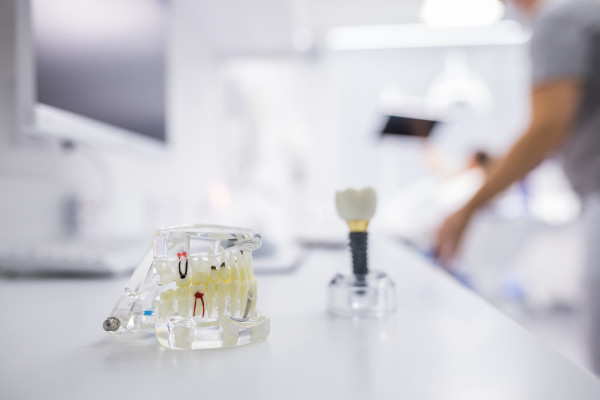
 You should see an implant dentist as soon as possible after losing a tooth. An implant dentist can provide proper treatment to speed up healing. Timing is crucial, as your mouth begins to change almost instantly after losing a tooth. Seeing your dentist at the right time can improve your long-term outcome.
Early visit after tooth loss
The first few weeks after tooth loss are crucial. An implant dentist will examine the patient's gums and check for bone health. After the examination, the dentist will explain all the available treatment options. When a tooth is missing, the jawbone deteriorates or shrinks in that area. If the patient loses too much bone, it may become difficult to place an implant.
If the patient goes to the dentist immediately, they may receive temporary treatment. This includes partial dentures or bridges. These treatments help restore function and appearance while the mouth heals. An early visit is crucial for establishing the foundation required for a tooth implant.
Healing and bone preservation
When a tooth is removed, the body automatically begins to heal the empty space. Without a tooth, there is no stimulation for the bone to keep it from shrinking. In some cases, patients may need bone grafting. This procedure helps preserve bone volume. Bone volume is essential for a tooth implant.
The dentist will decide on a graft if X-rays and oral exams dictate. Healing can take several weeks or months. Each patient is different due to their individual health, age, and oral hygiene. Patients will need to attend follow-up visits to allow the dentist to monitor the healing process. If required, the implant dentist will adapt the patient's treatment plan. This process ensures the patient's jaw is prepared and ready for the eventual implant.
Placing implants
Placing an implant happens over several stages. However, some dentists insert an implant directly after extraction. If a patient's jawbone is healthy, this may be an option. Other dentists may wait a few months to let the extraction site heal. Waiting allows the bone to stabilize, reducing the chances of complications.
Factors affecting timing
Multiple factors influence when an implant should be placed. General health plays a major role. A patient may have diabetes or be a smoker, which slows healing. Good oral hygiene and healthy gums lower the risk of infection. The location of the missing tooth is also important. Front teeth may require extra planning for cosmetic reasons.
Long-term oral health
Implants are not a one-time solution. After placement, implants need ongoing, proper care. An implant dentist will recommend regular checkups. During these checkups, the dentist will monitor gum health. The dentist will also check for bone stability and bite alignment.
Ongoing visits help detect early signs of wear or stress on the implant, allowing for prompt intervention and treatment. Patients also learn how to care for their implants through proper brushing and flossing techniques. Sometimes, a patient is advised to use special cleaning tools. Long-term follow-up protects the initial implant investment.
See an implant dentist soon after tooth loss
Regardless of how you lose your tooth, you should consult an implant dentist immediately. Your dentist will protect your gums and jawbone, ensuring an implant is possible. They will also advise you on the right time to get the implant. When you book an implant dentist visit, you give yourself a great chance for lasting results.
Recent Posts
Selecting a skilled implant dentist is crucial if you need dental implants. Skilled implant dentists have specialized skills. These dentists also have experience beyond general dental care. When you visit a skilled implant dentist, you have a good chance at a lasting outcome.Implant dentistry is more extensive than foundation dental education. Implant dentists must train…
An implant dentist will consult on options to replace your missing teeth. While a great many dental problems can be patched with veneers or repaired with crowns, sometimes the tooth cannot be saved. In these situations, the remains of the tooth must be entirely removed. The resultant gap can compromise chewing and damage the patient's…
Implants are a common, popular, and permanent solution that an implant dentist will use to replace missing teeth. Where a tooth cannot be saved with a veneer or crown, implants replace the tooth entirely. The implant is a realistic-looking false tooth that is firmly anchored in the jawbone. With proper care, implants can last for…
Your implant dentist has already placed your brand-new dental restorations. The osseointegration was successful. Your healing is going well. The abutment and crowns are now in place. It is time to hand over the reins of recovery to your dentist. The following outlines the ways your general dentist can continue your implant maintenance.The implant dentist…