If the dentist has recommended getting dental implants, you might want to know what goes into the process and the treatment timeline. Dental implants are a long-term solution when a tooth is missing and offer great aesthetic appeal. Dental implants are more complex and time-consuming than dental bridges or dentures. This article contains a quick overview and guide to the full dental implant implantation procedure and the timeline.
Depending on different circumstances, a dental implant procedure may take anywhere from a few months to more than a year to complete. The length of the dental implant timeline may be affected by factors including one's health, habits, and lifestyle.
An overview of dental implants
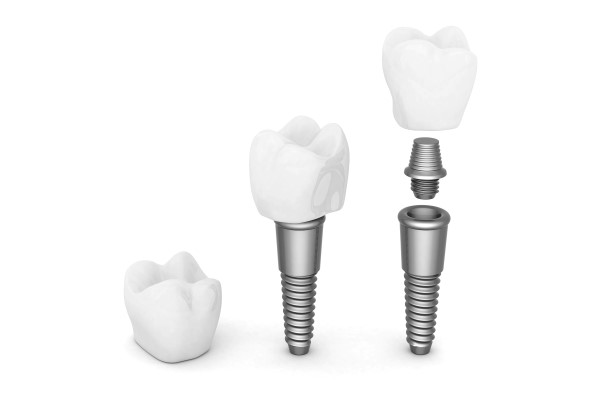
It is possible to replace missing or damaged teeth with dental implants, which look and function much like natural teeth. They use titanium screw-like posts to replace lost dental roots. These posts join to an abutment that connects the crown to the implanted post. Implants are screwed into the jawbone, making them more stable than dentures or bridges and preventing them from sliding or creating sounds. As the jawbone integrates with the posts, it prevents further bone loss and maintains the face's natural shape.
Dental implants timeline
Dental implants take at least nine months to complete. Dental implant operations might take a long time to complete, depending on the healing period and the processes included. The procedure for placing dental implants takes numerous outpatient procedures, each of which is conducted in phases and tailored to the patient's specific requirements.
Initial consultation
Getting dental implants begins with a no-obligation consultation to see whether they are a good option. Patients will meet with the dentist to discuss their existing dental conditions, medical history, and intended result during this appointment. Following that, they will have a full dental exam, including X-rays, 3-D pictures, and imprints of the mouth and jaw. As the last step, the dentist will go through the treatment plan and any necessary approvals for surgery, such as from the patient's doctor.
Upon meeting all pre-surgery prerequisites, the dentist will detail each dental implant process. Dental implant phases, techniques, expected timetable, and recovery instructions will be discussed. Some patients may need treatment from more than one dental professional. The first of several phases of dental implants may begin when a personalized treatment plan has been created.
Dental implants – bone grafting and teeth extractions
Bone grafting may not be necessary for every dental implant timeline, but it is the preliminary step if it is. A dentist may perform a bone transplant if the patient's jawbone is not strong enough to support an implant. Teeth removal may also be required in case of decay or infection. Both operations need anesthesia, and the gums will take between four and twelve months for recovery.
Placing the implants
The following step is implant placement, which entails anchoring the implant with metal screws inserted into the jaw. The process takes between one to two hours and requires anesthesia. Healing might take up to seven months after this treatment.
Placing the temporary crown and the healing cap
It is time to affix the healing collar and any temporary crowns that have already healed and fused with the jawbone. An implant's healing cap is affixed to aid the gum tissue's recovery. The gums will hardly inhibit the implant until the healing cap is removed after two weeks.
Abutment
The abutment will be attached to the implant to hold the crown in place during the dental implant timeline. An abutment will be screwed onto the implant when they open up the gums to reveal the implant. The dentist places a temporary crown over it to prevent the gums surrounding the abutment from becoming infected.
Placing the dental restoration
To prepare for the implant crown process, the dentist takes imprints of the patient's mouth after healing is complete. Crowns come in two varieties: detachable crowns and fixed crowns, both of which are ready in six weeks or less. Removable crowns are attached to a metal frame that hooks into the abutment and is detachable like a typical denture. At certain angles, the screw holes may be seen.
More durable material is used to construct the fixed crown, which is then screwed or cemented to each implant abutment. Since there are no apparent screw holes, it looks more natural than a detachable crown. It is more difficult to take out than a detachable crown, but the fixed crown is more appealing and sturdier.
In conclusion
As with every surgical procedure, dental implants placement has certain risks, so it is crucial to go to a reputed dental care facility with experienced professionals. Book an appointment today to get started.
Request an appointment here: https://www.mytotaldentistry.com or call McCarthy Dentistry at (740) 546-5178 for an appointment in our Marietta office.
Check out what others are saying about our dental services on Yelp: Dental Implants in Marietta, OH.
Recent Posts
Dental implants can be an effective and aesthetically pleasing long-term solution for missing teeth. However, misconceptions about implants can make some hesitant to consider them. In order to help patients make an informed decision, it helps to dispel some common myths about dental implants.One of the biggest concerns people have about dental implants is pain.…
Dental implants provide a durable and long-lasting solution for missing teeth, but like natural teeth, they can be damaged under certain circumstances. Trauma, excessive pressure, or complications with the surrounding structures may compromise the integrity of an implant. Understanding what to do in the event of damage can help prevent further issues and protect oral…
Dental implants provide a long-term solution for individuals who have lost one or more teeth due to injury, decay, or periodontal disease. These implants act as artificial tooth roots, offering stability and durability similar to natural teeth. In recent years, dental implants have become a preferred option for tooth replacement because they preserve the jawbone…
Dental implants can provide a long-lasting solution for tooth loss. Many people choose this option because it looks and feels natural. Understanding the purpose of dental implants and how they work is key to helping you decide if dental implants are right for you.Dental implants are small titanium posts placed into the jawbone to replace…