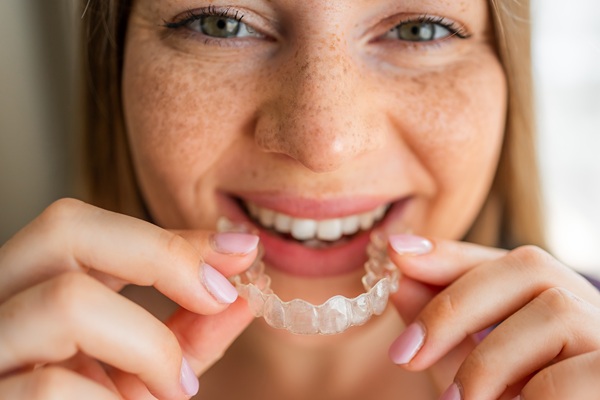
While clear braces can straighten teeth with brackets that blend more naturally with the smile, proper care helps keep them clean, comfortable, and effective. While these braces work much like traditional metal braces, their tooth-colored or ceramic brackets can show stains more easily when patients do not follow a strong oral hygiene routine. With daily cleaning, smart food choices, and regular dental visits, patients can protect their orthodontic appliances and support steady progress toward a healthier smile.
Understanding clear braces
Clear braces use brackets and wires to guide teeth into better alignment over time. The brackets often consist of ceramic or tooth-colored materials, which makes them less noticeable than metal brackets. This makes them a popular option for teens and adults who want a more discreet orthodontic treatment.
Although the brackets look different, clear braces still need the same level of care as traditional braces. Food particles and plaque can collect around brackets, wires, and along the gumline. Without consistent cleaning, patients may develop stains, cavities, gum irritation, or white spots on the enamel.
Brush carefully around brackets
Brushing plays an important role in keeping clear braces clean. Patients should brush after meals whenever possible because food can become trapped around the brackets and wires. A soft-bristled toothbrush can clean the teeth gently without damaging the brackets or irritating the gums.
The toothbrush should reach above, below, and directly around each bracket. Small circular motions can help remove plaque from the gumline and the edges of the brackets. An electric toothbrush may also help some patients clean more thoroughly, especially around areas that feel harder to reach.
Toothpaste with fluoride can help strengthen enamel during orthodontic treatment. However, whitening toothpaste may create uneven results because the areas under the brackets do not whiten during treatment. A dentist can recommend the right toothpaste based on the patient’s oral health needs.
Clean between the teeth daily
Flossing with clear braces may take more time, but it remains essential. Wires can make it harder to clean between the teeth, where plaque and food particles often collect. Floss threaders, orthodontic floss, interdental brushes, or water flossers can make the process easier.
Cleaning between the teeth helps reduce gum inflammation and lowers the risk of cavities. It also helps keep the spaces around the brackets looking cleaner throughout treatment. The dental team can demonstrate tools and techniques that match the patient’s spacing, dexterity, and treatment plan.
Choose foods that protect the braces
Food choices can affect the condition of clear braces. Hard, sticky, and chewy foods may loosen brackets, bend wires, or make cleaning more difficult. Patients can lower the risk of appliance damage by choosing softer foods and cutting firm foods into smaller pieces.
Foods that may require extra caution include:
- Popcorn, hard candy, ice, and nuts
- Sticky candies, caramel, taffy, and gum
- Crunchy chips, hard pretzels, and tough breads
- Whole apples, raw carrots, and corn on the cob
These foods can increase the chance of broken brackets or trapped debris. Choosing braces-friendly alternatives helps keep treatment on schedule and reduces the need for unexpected repair visits.
Limit staining foods and drinks
Clear braces can resist discoloration, but the elastic ties around brackets may stain. Coffee, tea, red wine, tomato sauce, curry, berries, and dark sodas can leave color behind. Rinsing with water after meals or drinks can help reduce staining between brushing sessions.
Patients who drink beverages that stain may benefit from using a straw when appropriate. Regular brushing and professional cleanings can also help keep the smile brighter during orthodontic treatment. If elastic ties become discolored, the dental team can replace them during adjustment visits.
Protect braces during daily activities
Clear braces need protection outside of brushing and eating habits. Patients who play contact sports may need a mouth guard designed for orthodontic appliances. This can help protect the brackets, wires, lips, cheeks, and teeth during practices and games.
Habits such as nail biting, chewing pens, or using teeth to open packages can also damage braces. Even small changes to brackets or wires may affect tooth movement and comfort. Reporting broken brackets, loose wires, or unusual discomfort helps the dental team address problems before they interrupt treatment progress.
Keep regular dental and orthodontic visits
Routine visits allow the dental team to monitor oral health while the teeth move. Cleanings help remove plaque and tartar that can collect around clear braces. Exams also allow the dentist to check for gum inflammation, enamel changes, cavities, or damaged appliances.
Adjustment appointments are equally important because they help keep treatment on track. Missed visits may delay progress or allow small issues to worsen. Staying consistent with care helps clear braces remain effective and supports a healthier final result.
Schedule a clear braces evaluation
Clear braces offer a more discreet way to improve tooth alignment. However, they require daily care to stay clean and functional. Brushing, flossing, smart food choices, stain prevention, and regular visits all help protect the smile during treatment. Call our office for more information or to schedule a clear braces evaluation.
Request an appointment here: https://www.mytotaldentistry.com or call McCarthy Dentistry at (740) 546-5178 for an appointment in our Marietta office.
Check out what others are saying about our services on Yelp: clear braces in Marietta, OH.
Recent Posts
A straight smile is often the goal of people considering braces, but their advantages extend well beyond aesthetics. Braces straighten your smile while also addressing oral health, improving speech, and boosting self-confidence. If you are considering braces, understand that it is more than just an investment in your smile’s appearance.Braces are a dental treatment used…
Clear braces and aligners are discreet, effective orthodontic treatments. However, they take different approaches, resulting in different patient experiences. Clear braces use frosted wires and ceramic brackets that remain fixed to the teeth, while clear aligners are removable trays worn throughout the day. These differences impact everything from aesthetics and comfort to your daily routine,…
Clear braces are a subtle alternative to traditional braces and provide a solution to similar orthodontic problems. The primary difference in the clear version of braces is that they are less noticeable. When you have metal braces, anyone who sees you smiling or talking notices the braces. If you want the less obvious version of…
You might be deciding between clear braces and metal braces. After all, you want to look good and feel good by fixing your misaligned teeth. Part of feeling good is aesthetics. If you want to feel good not only after you get braces but also while wearing them, you should consider clear braces for aesthetic…
“