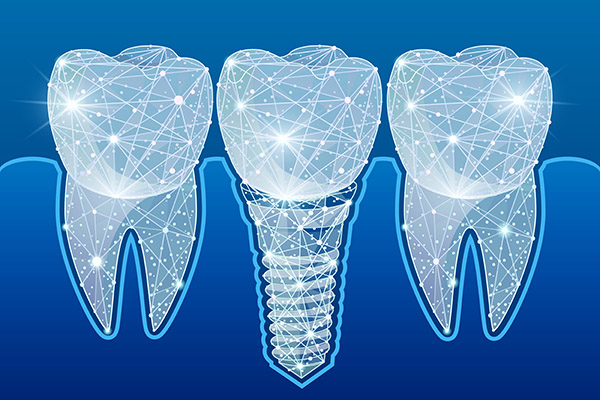
What are the possible complications of dental implants?
Overall, complications from dental implants are fairly rare. When they do occur, some are seen more often than others.
Osseointegration failure
For the implant to succeed, it has to bond completely with the jawbone. This process is called osseointegration and takes several months to complete. Osseointegration can fail if there is insufficient bone density in the person's jaw or if there is too much stress on the implant. If the process fails, the implant can become loose or fall out completely.
Bacterial infection
The human mouth is home to hundreds of species of bacteria, some of which have the potential to cause infection. The site of implantation is vulnerable to invasion from pathogens such as these. An infection of the surgical site can cause pain and systemic symptoms, such as fever or chills. There is also a chance that the infection could get into the bloodstream and spread to other areas of the body. A widespread infection is more difficult to treat and could become life-threatening.
Nerve damage
An operation sometimes causes damage to nerves that are nearby. In the case of dental implants, this can happen because the instrumentation gets too close to the nerve. Damage to nerves can be permanent if not addressed right away, so patients should report any numbness of the mouth or excess pain immediately.
How can patients prevent complications?
Persons undergoing a dental implant should find out what to expect during and after the procedure to understand what is normal and what is not. Anything unexpected should be reported as soon as possible. When in doubt, it is better for a patient to speak up than to remain silent and possibly allow the damage to worsen.
Implant patients should receive instructions for caring for the surgical site as it relates to their hygiene and behaviors. Patients should follow these directives as closely as possible, keeping the site clean and avoiding certain foods as instructed. Each individual should inspect the site according to the guidance provided. In particular, the patient should watch for signs of infection, such as unusual redness, swelling, pain, and drainage of pus from the surgical site. The patient should also monitor for systemic signs of infection.
The patient should manage any existing conditions that could negatively affect healing, such as diabetes. Since tobacco can also interfere with healing by depleting blood oxygen and irritating gum tissue, patients should stop smoking prior to the implant procedure.
If there is an insufficient bone density to support an implant, a bone graft to strengthen the jaw may be possible. It takes several months following the graft for the bone to become strong enough to support an implant.
Conclusion
The success rate of the procedure to place dental implants is typically very good. Most persons who are vigilant about following the instructions they receive for aftercare do not experience complications.
Request an appointment or call McCarthy Dentistry at 740-546-5178 for an appointment in our Marietta office.
Recent Posts
A dental implant procedure is a structured, multi-stage process that replaces missing teeth with a stable, long-lasting solution. If you are exploring tooth replacement options, you may be curious about what this process is like from start to finish. Having a thorough understanding of each phase helps set realistic expectations and reduce uncertainty about the…
Seeking a secure, natural-looking way to replace missing teeth often leads individuals to explore dental implants. This modern solution places a titanium post in the jawbone, topped by a lifelike crown, and can offer stability and reliability. However, ensuring that implants heal successfully involves paying close attention to food choices, especially in the days and…
Dental implants provide a long-lasting solution for missing teeth, offering functional and aesthetic benefits. Whether replacing a single tooth or supporting a full arch, dental implants help restore confidence and improve oral health. Understanding the essential facts about this treatment can help patients make informed decisions.Dental implants look, feel, and function like natural teeth. The…