Periodontal Tips: How Hard You Brush Your Teeth Can Affect Your Gums
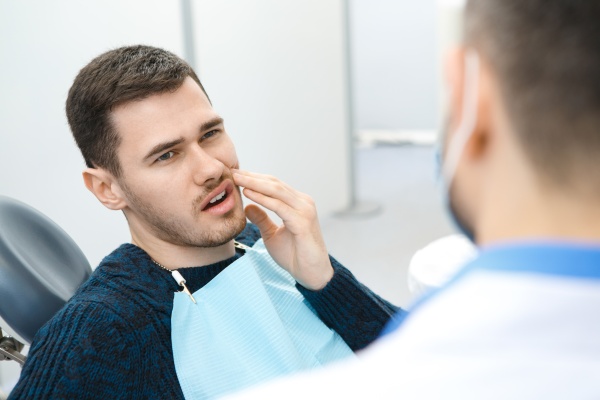
Your loving parents might not have shared periodontal tips like these. You probably heard your entire life how important it is to brush after every meal as well as after snacks. What you might not have heard is that brushing too hard can actually cause damage to the gums. For you and your children, consider applying the tips provided to your daily oral routine.
Periodontal tips for good oral health
Even with good intentions, there are times when people do not brush properly. For instance, after taking a client to lunch and with a busy afternoon schedule, it is easy to forget. Fortunately, the periodontal tips mentioned can correct bad habits. As a result, individuals end up with healthy teeth and gums and a beautiful smile.
Choosing a toothbrush
Most people have no idea how extensive toothbrushes differ. Whether buying one from a pharmacy, grocery store or discount shop, it is essential to make the right choice. For both manual and electric models, people should always stick with the soft bristle type. Although it might seem like a hard bristle brush would do a better job, the fact is, it is important for the bristles to bend, so they can reach beneath the gums. Otherwise, small particles of food could remain.
Brush better — not harder
Perhaps one of the most important of all periodontal tips is that instead of brushing extremely hard, people should brush better. That means individuals should stop attacking the teeth with a toothbrush. Instead, they need to brush gently. After all, plaque is actually loose and soft. Therefore, an individual has no reason to brush with so much vigor.
The right timing
One periodontal tip that parents tell their children is to take time when brushing. Optimally, dentists want people to brush a minimum of three times a day. Also, people should brush at least two minutes, longer if possible. Rather than rush through the day only to forget about properly caring for the teeth, individuals need to slow down and give their mouth the attention needed to stay healthy.
Back and forth brushing
Another periodontal tip has to do with the way that people brush. Most individuals clean them by using a back and forth motion. While that certainly helps, it does not allow the bristles of the toothbrush to reach in between the crevices of the teeth. For that reason, along with a back and forth motion, it is important to brush up and down. As part of that is brushing even the hard to reach places in the back.
Remember the gumline
One final periodontal tip is that people need to pay as much attention to the gumline as the teeth. Again, using a soft bristle toothbrush makes it easier and more effective in reaching between the small space of the gums and the teeth. Failing to do so could allow bacteria to grow. If that happens, people become more prone to tooth decay and infections. Simply put, brushing includes the teeth and the gums.
Change your habits
Combining the good advice received from your parents with these periodontal tips gives you an advantage in achieving and maintaining a healthy mouth. The healthier the mouth, the fewer times you would need to see a dentist. For beautiful teeth and healthy gums, proper and regular brushing is critical. Just be sure you do not overdo what should be a good thing.
Request an appointment here: https://www.mytotaldentistry.com or call McCarthy Dentistry at (740) 546-5178 for an appointment in our Marietta office.
Check out what others are saying about our services on Yelp: Read our Yelp reviews.
Recent Posts
You should see an implant dentist as soon as possible after losing a tooth. An implant dentist can provide proper treatment to speed up healing. Timing is crucial, as your mouth begins to change almost instantly after losing a tooth. Seeing your dentist at the right time can improve your long-term outcome.The first few weeks…
Selecting a skilled implant dentist is crucial if you need dental implants. Skilled implant dentists have specialized skills. These dentists also have experience beyond general dental care. When you visit a skilled implant dentist, you have a good chance at a lasting outcome.Implant dentistry is more extensive than foundation dental education. Implant dentists must train…
An implant dentist will consult on options to replace your missing teeth. While a great many dental problems can be patched with veneers or repaired with crowns, sometimes the tooth cannot be saved. In these situations, the remains of the tooth must be entirely removed. The resultant gap can compromise chewing and damage the patient's…
Implants are a common, popular, and permanent solution that an implant dentist will use to replace missing teeth. Where a tooth cannot be saved with a veneer or crown, implants replace the tooth entirely. The implant is a realistic-looking false tooth that is firmly anchored in the jawbone. With proper care, implants can last for…