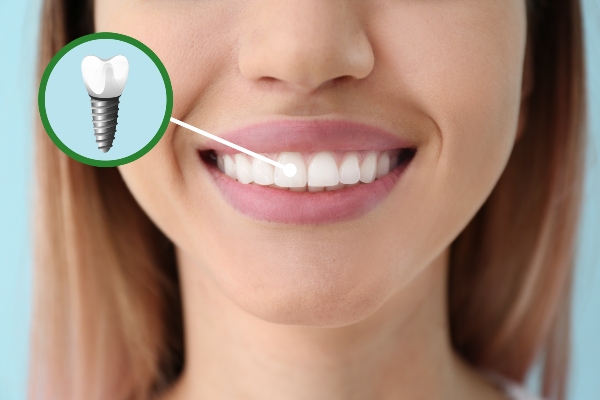
Dental implants are small, titanium screws placed into the jawbone where a tooth was removed. The implant fuses with the jawbone over time and supports a crown, bridge, or denture. This article will review six warning signs that it is time to inquire about dental implants.
6 Signs You May Need Dental Implants
1. Missing tooth or teeth
Many people (adults) postpone receiving treatment after losing a tooth or teeth. Doing so harms the rest of their mouth. One missing tooth can also cause the shifting of other teeth, leading to many issues, such as malocclusions, gum disease, and jawbone deterioration. So, imagine if someone is missing multiple teeth.
2. Jawbone deterioration
Jawbone deterioration is a serious problem that can result from tooth loss or damage and gum disease. If one does not have enough teeth to support their jawbone, the bone will shrink and become malformed, causing deformities in the shape of the face. This can sometimes lead to pain, difficulty eating, and bone infection.
3. Difficulty chewing and speaking
When one is missing multiple teeth, it can make it difficult to chew properly and even alter their speech. This is because the tongue and teeth go hand-in-hand in helping patients perform these acts normally. Therefore, if teeth are missing, the tongue is without a significant amount of support, making it harder for the mouth to say certain words or letters.
When chewing food, one uses several different muscles in the mouth. These muscles move together to grind food into smaller pieces to make swallowing easier without choking or gagging. If multiple teeth are lost, these muscles need to work harder to chew food effectively as they would otherwise. This can lead to fatigue, discomfort, and pain, making many patients miss out on their favorite foods.
4. Loose full or partial dentures
If one is experiencing loose dentures or partials, this is a sign the jawbone is deteriorating. As the jawbone deteriorates, it becomes less able to support the teeth and gums. Dental implants will stabilize the area around the mouth by providing a foundation for new teeth. They also work as an anchor for newly-fitted dentures or partials, preventing further jawbone deterioration.
5. Impacted teeth or infection
Once a tooth becomes impacted or infected (and cannot be cured with prescriptions), the dentist will likely recommend removing the tooth. An impacted tooth cannot erupt into its proper position because there is not enough room in the mouth or a neighboring tooth has grown in front of it. Many people experience impacted wisdom teeth, which do not require dental implants. However, all other teeth that will cause a noticeable shift in the patient’s mouth will require a replacement.
6. Broken or severely damaged teeth
Broken teeth can cause severe pain if the tooth root is exposed and damage to the surrounding tissues and bone. In some trauma cases, broken tooth fragments can even be lodged in the gum tissue. If the dentist determines that the tooth is beyond saving after an examination, they may recommend an extraction, dental implant, and a crown. This treatment plan will restore the smile’s appearance and functionality.
Learn More Today
Dental implants are a great option for those who have lost their teeth due to trauma, illness, or aging. They are durable and can last for many years to come. If you are experiencing any of the above symptoms, contact our office and schedule a consultation today. Our team can answer any questions and determine if dental implants are most effective for you.
Request an appointment or call McCarthy Dentistry at 740-546-5178 for an appointment in our Marietta office.
Recent Posts
Dental implants can be an effective and aesthetically pleasing long-term solution for missing teeth. However, misconceptions about implants can make some hesitant to consider them. In order to help patients make an informed decision, it helps to dispel some common myths about dental implants.One of the biggest concerns people have about dental implants is pain.…
Dental implants provide a durable and long-lasting solution for missing teeth, but like natural teeth, they can be damaged under certain circumstances. Trauma, excessive pressure, or complications with the surrounding structures may compromise the integrity of an implant. Understanding what to do in the event of damage can help prevent further issues and protect oral…
Dental implants provide a long-term solution for individuals who have lost one or more teeth due to injury, decay, or periodontal disease. These implants act as artificial tooth roots, offering stability and durability similar to natural teeth. In recent years, dental implants have become a preferred option for tooth replacement because they preserve the jawbone…