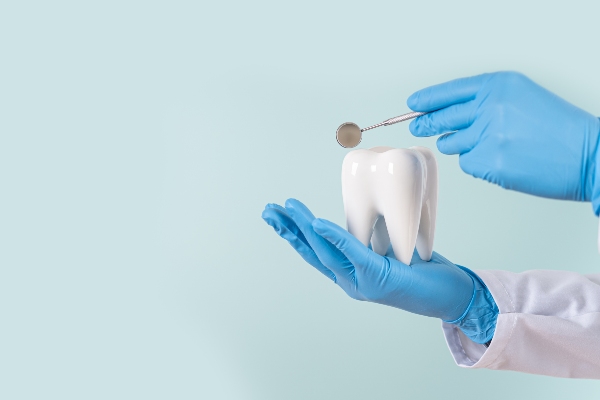
A dental crown's longevity depends on material strength, bonding quality, and diligent home care, yet even a precisely fitted restoration eventually reveals clues of fatigue. Recognizing subtle warnings in the earliest stage prevents painful complications and safeguards the surrounding oral structure. Note that eventually, all dental crowns will need to be replaced. However, reviewing the signs can help repair damage and prolong the life of a crown.
Sudden temperature sensitivity
A healthy restoration shields inner tooth structures from heat and cold. If a once-insulated tooth suddenly tingles when sipping ice water or hot coffee, microscopic gaps may permit fluid movement along nerve pathways. Early sensitivity often signals weakened cement or marginal leakage, and a thorough examination determines whether resealing or replacement of the dental crown restores protection.
Dark lines at the gum line
Porcelain-fused-to-metal crowns sometimes show a thin gray edge where gum tissue meets the restoration. While a slight shadow on older work can be normal, a rapidly widening dark line frequently indicates gum recession, marginal decay, or exposed metal. Polishing alone rarely fixes the problem. A dentist assesses the underlying cause and recommends a new all-ceramic dental crown if improved aesthetics and coverage are necessary.
Surface chips and rough spots
Every bite subjects porcelain to significant force. Small chips near the cusp tip or a gritty surface that catches dental floss reveal compromised glaze. Rough porcelain collects plaque and accelerates wear on opposing teeth. A general dentist can smooth small flaws, but broader damage risks fracture propagation and justifies timely dental crown replacement.
Red, swollen, or bleeding gums
Healthy gingiva (gum tissue) hugs a crown margin without irritation. Persistent redness, puffiness, or bleeding during brushing suggests plaque retention, cement wash-out, or overhanging edges. Inflamed tissue eventually recedes, exposing root surfaces and jeopardizing the dental crown's seal. Professional cleaning combined with margin adjustment or a new crown restores periodontal health and halts recession.
Shifting bite or jaw discomfort
Teeth normally contract evenly when closing. If one area starts to strike first, the dental crown may have worn unevenly, or the underlying tooth may have decayed, altering height. High sports manifest as jaw fatigue, headaches, or cracked enamel on opposing teeth. A dentist uses articulating paper to pinpoint premature contact and reshape the crown or fabricate a replacement to balance occlusion.
A loose or wiggling feeling
Always remember that dental crowns should feel like an extension of the natural tooth. Any rocking or wiggling motion or sensation when the restoration moves while chewing or performing oral hygiene indicates that the dental cement or bonding solution is failing. As a result, food debris quickly invades the hap, promoting decay and foul odors. An unsecured crown may detach without warning, exposing sensitive dentin (the second soft layer of the tooth). Immediate professional recementing or fabricating a new dental crown prevents infection and nerve irritation.
Check-in on your dental crown
Small irregularities seldom resolve on their own and often progress into fractures, infections, or costly emergency care. Dental crowns can last well over a decade, but it is important to watch for signs of failure. If you have noticed any of these signs, contact McCarthy Dentistry to schedule an appointment before the situation worsens.
Request an appointment or call McCarthy Dentistry at 740-546-5178 for an appointment in our Marietta office.
Recent Posts
While dental crowns can last for years with proper care, there are several reasons why they may fall off prematurely, including eating sticky foods and experiencing dental trauma. Make sure to see a general dentist to have the dislodged crown replaced as soon as possible. However, knowing what to do right after it falls off…
A dental crown acts like armor for vulnerable tooth structures, but even the strongest restoration experiences stress over time. Recognizing early warning signs prevents cracks from progressing into fractures that threaten oral health. Here are five that warrant a trip to the general dentist.Prolonged pain or sensitivity is never normal and always indicates an underlying…
Dental crowns protect teeth and improve their appearance, but over time, they may become worn, loose, or damaged. Replacing dental crowns is a common procedure that helps maintain the health of the mouth and the strength of the smile. A general dentist can guide patients through each step with care and attention.A general dentist will…