5 Things to Avoid During Invisalign Teeth Straightening
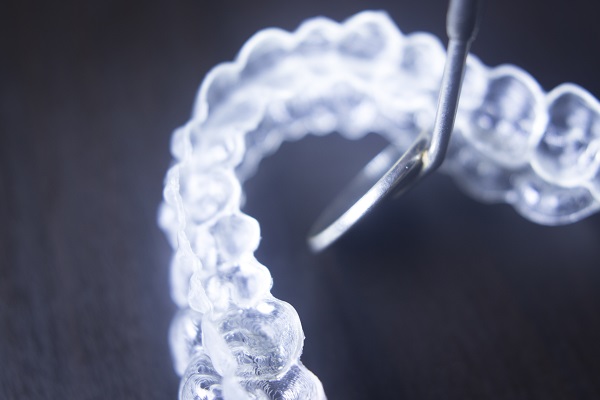
Over the years, more people have started to use Invisalign® to fix an imperfect smile. Those who have spent years dealing with a crooked smile may struggle with self-confidence in their appearance. Thankfully, clear orthodontic aligners can help improve a smile subtly, without anyone else noticing. However, for these braces to work properly, there are some things to keep in mind when wearing them.
What to expect
To get the desired results, there are some things that should be done to maximize the aligners' effectiveness.
Wear for 20-22 hours a day
These aligners cannot be worn while eating, but wearing them for 20-22 hours a day is recommended. This gives the aligners maximum contact with the teeth, which will lead to faster results.
Expect slight discomfort at first
With each new set of Invisalign®, it may take a few days to adjust to the feel. Thankfully, in only a few days, the teeth will have adjusted to the aligners, making them less noticeable.
Ask if a retainer will be needed afterwards
For some people, teeth try to revert back to their old position. In these cases, a retainer may be recommended to prevent this from happening. This generally is determined on a case-by-case basis.
5 things to avoid
Keeping the aligners in good condition is important to ensure maximum results. For this reason, there are some things that should be avoided for the duration of the Invisalign® treatment.
1. Avoid snacking
The aligners will need to be removed when eating or drinking anything but water. Skipping snacking can make this easier. It can also help ensure the aligners are in for the recommended 20-22 hours every day. Stick with a set amount of meals and snacks every day if possible.
2. Limit coffee
Beverages other than water should be avoided while the aligners are in, as they can become stained if worn while drinking coffee, soda or tea. Many people sip on coffee in the morning, but because the aligners must be removed during this time, it reduces the amount of time Invisalign® is in the mouth.
3. Do not chew gum
Gum can easily stick to and damage the aligners. Removing the aligners to chew gum does not make a lot of sense, as it reduces the amount of time the aligners are on the teeth. Even sugar-free gum, which the American Dental Association says can improve dental health, should be avoided during Invisalign® treatment.
4. Never leave home without a toothbrush
After removing the aligners to eat, the teeth should be brushed before putting them back in. A travel-sized toothbrush may be a good idea to ensure teeth can be brushed on the go.
5. Do not take a day off from wearing aligners
It may be tempting, but skipping a day wearing the aligners can hinder their progress. Wearing the aligners daily is what straightens the teeth properly.
Straightening smiles with ease
Invisalign® can straighten your smile, leading to increased confidence when smiling. Taking proper care of the aligners will ensure they stay in good condition, and wearing them when recommended will increase their effectiveness moving the teeth.
Are you considering Invisalign® in the Marietta area? Get more information at https://www.mytotaldentistry.com.
Check out what others are saying about our services on Yelp: Read our Yelp reviews.
Recent Posts
Finding a reliable, trustworthy kid-friendly dentist in your corner is essential for maintaining a child's oral health and creating a positive dental experience. Parents often have many questions before scheduling a dental visit for their children. The following blog post explores the 10 most common questions parents ask during a visit to a kid-friendly dentist.According…
Dental implants provide a long-term solution for individuals who have lost one or more teeth due to injury, decay, or periodontal disease. These implants act as artificial tooth roots, offering stability and durability similar to natural teeth. In recent years, dental implants have become a preferred option for tooth replacement because they preserve the jawbone…
Tooth replacement plays an important role in restoring comfort, confidence, and oral health when one or more teeth go missing. Missing teeth affect chewing, speech, and the appearance of the smile, and they also influence jawbone health over time. Modern dentistry offers several options that address different needs, budgets, and timelines. Understanding the strengths of…
Dental implants can provide a long-lasting solution for tooth loss. Many people choose this option because it looks and feels natural. Understanding the purpose of dental implants and how they work is key to helping you decide if dental implants are right for you.Dental implants are small titanium posts placed into the jawbone to replace…