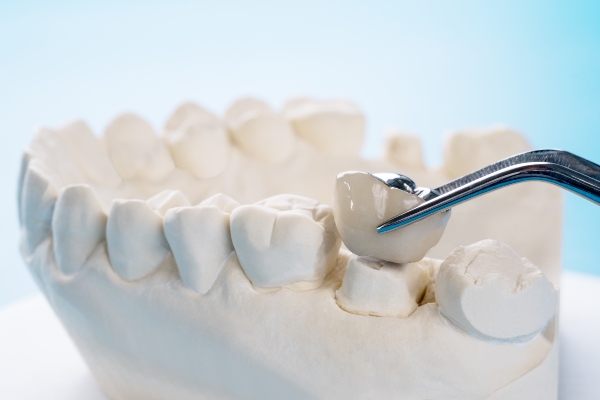
 A dental crown acts like armor for vulnerable tooth structures, but even the strongest restoration experiences stress over time. Recognizing early warning signs prevents cracks from progressing into fractures that threaten oral health. Here are five that warrant a trip to the general dentist.
1. New pain or sensitivity
Prolonged pain or sensitivity is never normal and always indicates an underlying problem. Healthy dental crowns insulate inner tooth tissues from temperature change and biting force. Sudden soreness, sharp sensitivity to cold drinks, or pain when releasing a bite suggest that the dental cement seal weakens or micro-movement occurs. Continuous discomfort often indicates decay forming near a crown margin. Immediate assessment ensures the dental crown remains protective rather than becoming a pathway for bacteria.
2. Visible chips or cracks
Porcelain-fused and all-ceramic dental crowns resist everyday chewing. However, impact or jaw clenching can create surface flaws. Small chips along the edge roughen the finish and collect stains. Fine cracks that resemble craze lines eventually spread under pressure. Documenting these defects with imaging technology at the dental office helps determine if polishing, repair, or full replacement of the crown provides the most effective outcome.
3. Looseness or shifting
A dental crown will feel like a natural tooth. Being able to wiggle or rock the crowns signals a failure of the underlying dental cement. Debris may slip into the space, raising the risk of decay and gum irritation. A loose dental crown can even fall off during eating, leaving the prepared tooth exposed and vulnerable to sensitivity. Re-cementing or fabricating a new crown restores stability and prevents nerve damage.
4. Gum inflammation around the dental crown
Red, swollen, or bleeding tissue near a dental crown may mean it sits too high, traps plaque, or develops rough edges. Inflamed gums can recede, revealing the darker base of a porcelain-fused crown and altering the smile's appearance. Properly contoured crowns promote healthy gums, so persistent inflammation warrants adjustment, polishing, or replacement. Treating gingivitis early keeps the supporting bone and the crown secure.
5. Changes in bite or discomfort
Teeth, including adult teeth, continually shift in response to orthodontic relapse or tooth loss. When opposing teeth migrate, a dental crown that once fits perfectly may strike first during closure. High spots cause headaches, jaw muscle fatigue, and uneven wear on other teeth. A dentist measures bite contracts and reshapes a small area of the dental crown to restore an even distribution of force, protecting joints and neighboring restorations.
How to protect a dental crown
Even after restoring a dental crown at the dentist, patients must remain diligent to protect it. Brushing twice daily with an approved toothpaste, using floss or water flossers, and scheduling regular appointments (biannually or as recommended by the dentist) help remove plaque and tartar, as well as check for abnormalities around the crown. Fluoride strengthens natural enamel bordering the restoration, while tools eliminate buildup that weakens cement. A preventative focus minimizes future needs and preserves both the dental crown and the surrounding tissues.
Restore your dental crown
Ignoring minor irregularities allows small defects to escalate into costly problems. Monitoring each dental crown and the surrounding tissues for the above signs ensures that these problems do not compromise your oral health. If you have noticed any of the above signs, contact McCarthy Dentistry to restore your dental crown.
Request an appointment or call McCarthy Dentistry at 740-546-5178 for an appointment in our Marietta office.
Recent Posts
Dental crowns protect teeth and improve their appearance, but over time, they may become worn, loose, or damaged. Replacing dental crowns is a common procedure that helps maintain the health of the mouth and the strength of the smile. A general dentist can guide patients through each step with care and attention.A general dentist will…
While dental crowns help protect and restore damaged teeth, they can become loose over time. Knowing what to do when this happens can help prevent pain or further damage. A loose crown may feel strange, affect chewing, or even fall out. However, acting quickly and visiting a general dentist can help fix the problem before…
A dental crown often gains attention for its ability to create a beautiful smile, but its true value extends far beyond appearance. This restoration reinforces weakened teeth and chewing function while preserving overall oral health when placed thoughtfully by a general dentist. Understanding the restorative role of crowns helps patients appreciate their long-term benefits and…