FAQs About Oral Appliance Treatment for Sleep Apnea
Sleep apnea interrupts your breathing while you are asleep, which forces your brain to momentarily wake you up to restart your breathing. These interruptions can occur hundreds of times during a single night, making it impossible to get quality sleep. Sleep apnea can also have life-threatening consequences when left untreated for prolonged periods. In addition, it can lead to a wide range of issues, from difficulty concentrating to high blood pressure.
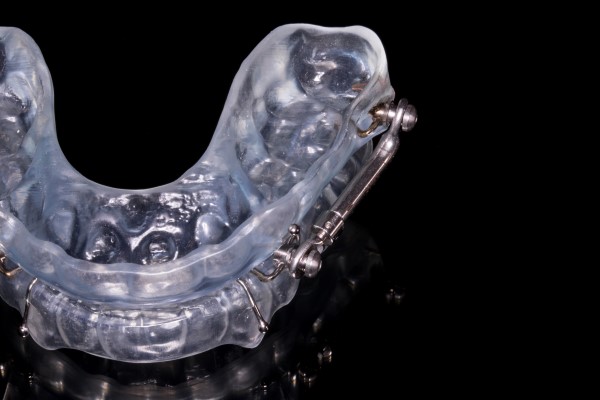
Obstructive sleep apnea (OSA) is caused by a person’s airway being blocked during sleep. It can be caused by the person’s tongue falling back into the airway while they sleep or their jaw pushing on their airway, closing it up. When either is the cause of a patient’s condition, oral appliances, like tongue-retaining devices and mandibular advancement devices, can be used to keep the patient’s airway open while they sleep. OSA can also be caused by other factors, like tissue overgrowth in the airway or being overweight.
Symptoms of obstructive sleep apnea
Symptoms are not always detectable to the afflicted person. However, if they share a bed with a partner, their partner may monitor the signs of OSA. These symptoms of OSA include:
- Snoring
- Restlessness while sleeping
- Awakening suddenly while sleeping and gasping or choking
- Sexual dysfunction
- Night sweats
OSA can also make it difficult for the affected patient to stay awake during the day. In addition, they may face cognitive problems, such as trouble concentrating, being forgetful, or being more irritable. These side effects can make it more difficult for them to participate at work or school and operate a motor vehicle.
Frequently asked questions about treating sleep apnea with oral appliances
Treating sleep apnea with an oral appliance is a non-invasive approach. It does not involve curing the patient’s sleep apnea, but it helps keep their airway open during sleep, stopping or reducing interruptions caused by airway blockages. Patients may begin to enjoy the benefits of oral appliance therapy as soon as the first night they use their oral appliance. Here are the answers to questions that patients might have about these devices.
1. How do these oral appliances work?
Oral appliances are inserted in the mouth right before going to bed. They are customized to fit all the curves and contours in the patient’s mouth, so they should fit comfortably. These devices work in many different ways. For example, tongue-retaining devices prevent the wearer’s tongue from falling into their airway, while chin straps keep the patient’s mouth closed during sleep, forcing them to breathe through their nose. A dentist will recommend a specific type of oral appliance based on the issue leading to the patient’s airway being blocked while they sleep.
2. Who needs an oral appliance?
Oral appliances work best for mild to moderate cases of obstructive sleep apnea. An oral appliance might also be recommended if the patient finds continuous positive airflow pressure machines intolerable and has been unable to manage their sleep apnea with lifestyle changes like weight loss.
3. How successful are oral appliances at treating sleep apnea?
Oral appliances are most effective in treating people with mild to moderate OSA but can sometimes help those with severe OSA. In addition, using an oral appliance is a non-invasive approach to treatment, so they are often recommended before exploring more invasive treatments, like surgery.
4. What are the benefits of oral appliance therapy?
Oral appliance therapy can help improve OSA symptoms. They can make it easier for them to sleep, leading to less daytime sleepiness, irritability, and concentration issues, and reduce or eliminate snoring at night. Oral appliances are also easier to store when traveling and do not disturb a sleeping partner as they are quiet and do not make noise like a CPAP machine.
5. What are the risks of oral appliances for treating OSA?
Though oral appliances are a safe option, there are still risks to using them to treat OSA. Patients may find that their ability to bite changes after using an oral appliance. They also find that they have dry mouth or excessive drool. Sometimes, patients may get loose teeth or need dental work replacement.
Improve your sleep
Sleep apnea is a serious health condition that you should never ignore. It can significantly impact your daily performance, and it has been linked to chronic conditions like heart disease. Call or visit our Marietta clinic to learn more about how we can restore your sleep with an oral appliance.
Request an appointment here: https://www.mytotaldentistry.com or call McCarthy Dentistry at (740) 546-5178 for an appointment in our Marietta office.
Check out what others are saying about our dental services on Yelp: Do I Have Sleep Apnea in Marietta, OH.
Recent Posts
Sleep apnea can affect breathing, energy levels, and overall health, and a dentist may play an important role in supporting treatment. While a physician or sleep specialist provides the diagnosis, a general dentist can identify possible signs during routine exams and provide oral appliance therapy when appropriate. This collaborative approach helps patients receive care that…
Sleep apnea can affect far more than nightly rest, as it often influences breathing patterns, oral health, energy levels, and overall wellness in ways that compound over time. While many people think of this condition as a sleep issue alone, the mouth, jaw, tongue, and surrounding tissues often play an important role in the warning…
Sleep apnea disrupts breathing during sleep and increases the risk of daytime fatigue, headaches, and cardiovascular strain. A general dentist evaluates airway health during routine visits and identifies red flags such as snoring, grinding, and jaw crowding. When appropriate, the dentist collaborates with a physician to confirm a diagnosis, then offers practical options, often an…
Sleep apnea is a significant sleeping problem that may cause severe sleep disturbance. It might potentially cause other health problems if left untreated. Fortunately, a general dentistry professional can provide treatment options. Oral appliances and other breathing equipment are two therapy options for sleep apnea.Although it may seem weird to visit the dental office for…