Oral Cancer Screening During Dental Exam
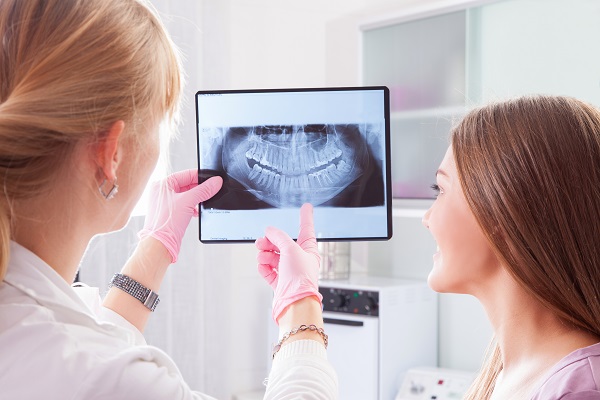
While many people already know that it is important to visit the dentist twice a year for a professional cleaning and dental exam, not everyone knows that many dentists check for more than just cavities and gum disease. In addition to examining the teeth and gums, it has become standard for dentists to inspect the mouth and surrounding area for any signs of oral cancer. Continue reading to learn more about the symptoms, risk factors and treatment of oral cancers and discover what a dentist looks for during a screening.
Why dentists check for oral cancer during a dental exam
According to the National Institutes of Health, oral cancers are the sixth most common type of cancer in the world, with around 37,000 diagnoses of the condition in the United States each year. Since the five-year survival rate of oral cancer is as high as 75% when detected early, getting screened regularly is essential. Fortunately, oral cancer is often easily detected by simply examining the mouth and surrounding areas. Since dentists already examine patients’ mouths at least twice a year, a dental exam is a great time to check the mouth for cancer and make an early diagnosis.
What does the dentist look for?
Oral cancer can develop in several areas of the mouth and often appears as a sore that will not go away, a white or red patch on the inside of the mouth or a lump in the neck. The dentist will visually examine the inside of the mouth for any of these signs and feel around with gloves for any bumps. The dentist might also feel under the patient’s chin, jaw and neck for abnormalities. As part of the screening, the dentist might also ask about other symptoms of oral cancer:
- Pain or numbness in the mouth
- Difficulty moving the jaw or chewing
- Bad breath that will not go away
- Soreness or discomfort of the throat
- Weight loss
- Swelling in the jaw
- Voice changes
Oral cancer diagnosis and treatment
If the dentist has any suspicions of oral cancer, they will likely perform a biopsy to further test the tissue or refer the patient to a doctor for further testing. If the biopsy sample reveals that the tissue is cancerous, an endoscopy or imaging test can be used to determine the extent.
Depending on the type of cancer found, the location and the stage, there are several types of treatments used to treat oral cancers. Radiation and chemotherapy can be used to kill cancer cells in addition to targeted drug therapy. For people with more advanced cancer, immunotherapy could be prescribed. Surgery may be required to remove a tumor or affected lymph nodes.
Conclusion
While most dentists already include oral cancer screening in a routine dental exam, it is a good idea for patients to ask their dentists to make sure, as early detection is key. In addition to practicing good oral hygiene habits, it is important that patients are aware of the health of the entire mouth and check periodically for any abnormalities.
Request an appointment here: https://www.mytotaldentistry.com or call McCarthy Dentistry at (740) 546-5178 for an appointment in our Marietta office.
Check out what others are saying about our services on Yelp: Read our Yelp reviews.
Recent Posts
A family dentist plays a vital role in the dental health of individuals of all ages, from children to adults. Offering a wide range of services, a family dentist can provide professional care for the diverse needs of each family member, ensuring they address the patient's dental health at every stage of life. Whether it…
A family dentist helps keep oral health in check for people of all ages, especially during a child's early dental development. A preventive treatment they may recommend is dental sealants, thin, protective coatings applied to the chewing surfaces of molars and premolars to prevent tooth decay. Family dentists use this treatment to protect the deep…
While dental crowns can last for years with proper care, there are several reasons why they may fall off prematurely, including eating sticky foods and experiencing dental trauma. Make sure to see a general dentist to have the dislodged crown replaced as soon as possible. However, knowing what to do right after it falls off…
A cosmetic dentist uses a variety of techniques to enhance the appearance and functionality of teeth. Dental bonding is one of the most common and effective methods used to repair minor tooth imperfections. This procedure can enhance the aesthetics and strength of a tooth, offering a quick and affordable solution for patients seeking a more…