Dental Implant Surgery: FAQs
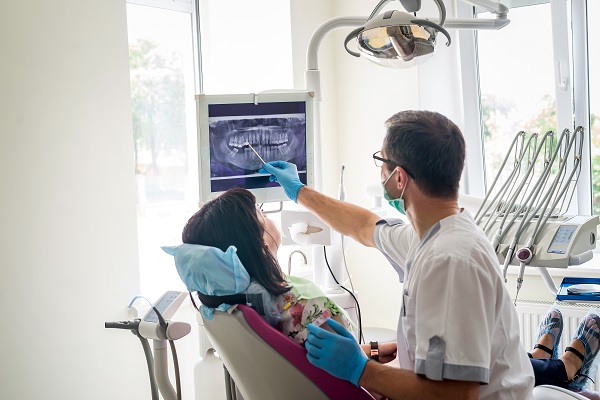
If you are missing teeth, dental implant surgery could be the right treatment for you. Though you may have other options such as dentures or crowns, there are appealing benefits this procedure offers. Your dentist can discuss with you how this procedure works and whether it makes sense for you. You will enjoy the way these durable implants affect your smile.
Typical patients
People who visit the dentist regularly and maintain good oral health habits will not likely need dental implant surgery. However, issues such as severe tooth decay, infections and bone loss can cause teeth to fall out. Many patients who choose this surgery have one missing tooth. Some have a few missing teeth, but most without any teeth pick another treatment.
The dental implant surgery process is lengthy
Like crowns, bridges or dentures, getting implants requires multiple visits. However, unlike other treatments, the dental implants process can take several months. The reason for this is because the patient must have time to heal from the invasive processes. The dentist will cut into the person’s gums and place screws deep into the jaw. For some patients, it may take up to six months for the bone to fuse to the post and for the incisions to get well.
Implants come in three pieces
Three different parts make up dental implant surgery. After the dentist places the screw-like posts into the jaw, an abutment attaches to the posts. Once there is sufficient healing, the dentist will place an artificial tooth on top of the abutment. This crown resembles surrounding natural teeth in size, shape and color.
The implants are strong
Living with missing teeth can make it difficult for people to chew and even speak properly. After dental implant surgery, the patient should feel good about eating just about anything. This may include favorite foods that the person has not been able to eat for many years. The implants are made of titanium, so they can withstand hard objects. The posts also support the rest of the implant.
Vigilant care is important
Patients do not want to make the same mistakes they made with their natural teeth. Daily brushing and flossing are vital to maintaining the implants. The wearer should also be careful about biting into hard foods and objects. If the implants break or cracks, the patient should contact the dentist immediately for replacement or repair.
There is moderate pain
During the dental implant surgery, the patient should not feel any pain. Afterward, there will be some soreness and discomfort. However, the person can take pain medication, as irritation can persist for a few weeks after the procedure.
Have a full set of teeth again
Missing teeth can be difficult on your self-esteem. You may not like the way you look or feel. Plus, it can be hard to eat and have proper mouth function. With dental implant surgery, you can regain the full capabilities of your mouth and feel happy about your smile. Speak to your dentist today about your needs and goals so you can get started.
Are you considering getting dental implant surgery in the Marietta area? Get more information at https://www.mytotaldentistry.com.
Check out what others are saying about our services on Yelp: Read our Yelp reviews.
Recent Posts
Dental crowns are a widely used tooth restoration solution in general dentistry. However, it is common to have questions about crowns if it is your first time getting one. Exploring the answers to these questions is the first step in helping you prepare for an upcoming dental crown appointment.Dental crowns are caps that fully encase…
A cosmetic dentist focuses on improving the appearance of the teeth and gums while also maintaining oral health. In some cases, such as teeth straightening, they can even make it easier to maintain the health of the smile. From correcting discoloration to reshaping and aligning teeth, cosmetic dentistry can be subtle or transformative — it…
Children’s dental care is the primary concern of family dentists. While dental care is crucial for all ages, it is particularly important during childhood. Establishing a consistent relationship with a trusted dental provider encourages regular visits and helps children feel at ease in the dental setting as they grow up. Early familiarity with a family…
Dental crowns are a common restorative treatment used in general dentistry. They can restore severely damaged teeth, saving patients from the pain, time, and cost of extraction and replacement. Further, crowns come in a variety of safe, biocompatible materials. Exploring the facts about dental crowns can make you feel more confident in getting one.Dental crowns…