Oral Surgery Procedures and When They Are Necessary

People undergo oral surgery procedures when the problems that they have with their teeth, mouth or jaw cannot be fixed with other dentistry procedures. While the prospect of surgery can be scary to a lot of people, these procedures are routinely done by oral surgeons, so there is no need to worry.
When are oral surgery procedures necessary?
Dentists recommend oral surgery procedures to their patients when the other treatment options they have tried have not been successful or if the problem that their patient has cannot be fixed using other dentistry techniques. Some of the conditions that require oral surgery procedures include:
Tooth extraction
Tooth extraction is a very common oral surgery procedure. Extractions are performed to prevent the spread of decay and gum disease when a tooth is too damaged to be salvaged or when there is no room in the mouth for a tooth to erupt properly. Visible teeth are extracted without surgery, but surgery is usually required if the tooth is stuck under the gums.
Dental implants
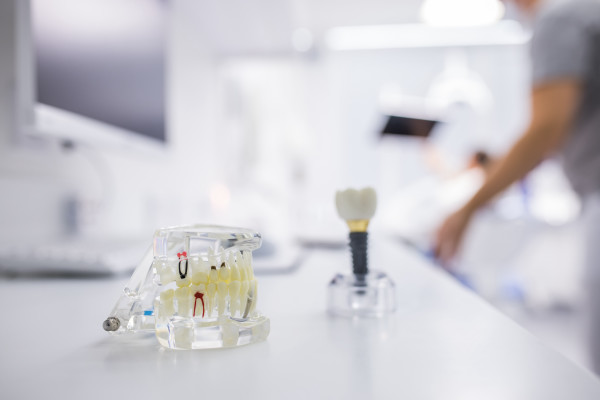
Dental implants are used to replace missing teeth. Unlike dentures, which sit on the top of the gums, Implants are fused to the jaw bone before an artificial tooth is screwed to the top to restore the appearance of the patient’s teeth. The implant procedure requires an oral surgeon to cut into the gum tissue as well as the jaw bone.
Bone grafting
Bone grafting is usually performed on people who want to get dental implants but do not have enough bone mass in their jaw to hold the implant in place. The procedure is used to take some bone from one part of the body and use it to increase the density of the bone in the jaw.
Apicoectomy
This procedure is performed if a root canal is not sufficient enough to stop the spread of infection from the dead nerve inside a tooth. During the procedure, the dentist will remove the infected portion of the tooth roots before filling the root to prevent future infections.
Corrective jaw surgery
Corrective jaw surgery, also known as orthognathic surgery, is used to correct conditions of the jaw and face, which include the misalignment of jaws and teeth. The surgery can be used to fix speaking and breathing problems as well as bite problems and sleep apnea.
Root amputation and dental hemisection
A root amputation requires the surgical removal of one root if a tooth is multi-rooted. If one or more tooth roots become infected or there is significant bone loss around the tooth, a dentist may refer their patient to an oral and maxillofacial surgeon for an oral surgery procedure known as hemisection. During the procedure, the oral surgeon will remove half of the tooth, leaving a serviceable one-rooted tooth.
Crown lengthening procedures
Before a crown is placed on a tooth that is cracked, broken or has been weakened by decay, a dentist may refer their patient to an oral and maxillofacial surgeon for a crown lengthening procedure that will ensure that the tooth’s structure will be able to securely hold the crown in place.
Conclusion
Oral surgery procedures fix problems people have with their mouths, helping to improve the appearance and functionality of their teeth. If you have oral health problems that might require surgery, schedule an appointment with an oral surgeon to determine what your treatment options are.
Request an appointment here: https://www.mytotaldentistry.com or call McCarthy Dentistry at (740) 546-5178 for an appointment in our Marietta office.
Check out what others are saying about our services on Yelp: Read our Yelp reviews.
Recent Posts
Selecting a skilled implant dentist is crucial if you need dental implants. Skilled implant dentists have specialized skills. These dentists also have experience beyond general dental care. When you visit a skilled implant dentist, you have a good chance at a lasting outcome.Implant dentistry is more extensive than foundation dental education. Implant dentists must train…
An implant dentist will consult on options to replace your missing teeth. While a great many dental problems can be patched with veneers or repaired with crowns, sometimes the tooth cannot be saved. In these situations, the remains of the tooth must be entirely removed. The resultant gap can compromise chewing and damage the patient's…
Implants are a common, popular, and permanent solution that an implant dentist will use to replace missing teeth. Where a tooth cannot be saved with a veneer or crown, implants replace the tooth entirely. The implant is a realistic-looking false tooth that is firmly anchored in the jawbone. With proper care, implants can last for…
Your implant dentist has already placed your brand-new dental restorations. The osseointegration was successful. Your healing is going well. The abutment and crowns are now in place. It is time to hand over the reins of recovery to your dentist. The following outlines the ways your general dentist can continue your implant maintenance.The implant dentist…